FoodReference.com Logo

Food Articles, News & Features Section

Home   |    FOOD ARTICLES   |    Food Trivia & Facts   |    Today in Food History   |    Cooking Tips   |    Recipes   |    Food Quotes   |    Who's Who   |    Videos   |    Trivia Quizzes   |    Crosswords   |    Food Poems   |    Food Posters   |    Cookbook Reviews   |    Shopping   |    Culinary Schools   |    Gourmet Tours   |    Food Festivals & Food Shows

You are here 

> Home  > Food Articles  > Food Safety, Allergies, Dangerous Foods etc.  > Food Colorings, Are They Safe?

Next


CULINARY SCHOOLS &
COOKING CLASSES

From Amateur & Basic Cooking Classes to Professional Chef Training & Degrees -  Associates, Bachelors & Masters
More than 1,000 schools & classes listed for all 50 States, Online and Worldwide


Culinary Posters and Art


FOOD COLORINGS: ARE THEY SAFE?


Dear EarthTalk: Ever since the red dye #2 scare in the 1970s I’ve been wary of using food colorings or buying food that appears to contain them. Are there natural and healthy food colorings?
-- Nancy McFarlane, Methuen, MA


Many of us are still wary of food dyes because of reports about links between red dye #2 and cancer in the 1970s. While red dye #2 was subsequently banned from products sold in the United States, many health-conscious consumers continue to avoid foods with other artificial colors or dyes—even though the U.S. Food and Drug Administration (FDA) still considers them safe for human consumption.
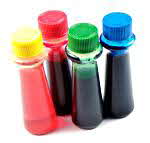
Fortunately, there are now natural alternatives available, made primarily from vegetable colorants.

Food Colors

Credit: Hemera Collection

But a 2010 analysis of past research on links between food dyes and health by the Center for Science in the Public Interest (CSPI) found compelling evidence that ingestion of artificial dyes can contribute to hyperactivity, restlessness and attention problems in some children—particularly those with ADHD. “What’s more, the studies suggested that removing dyes from those children’s diet was a quarter to half as effective in reducing those symptoms as giving the kids Ritalin or other stimulants,” reports Nancy Cordes, CBS News’ Consumer Safety Correspondent. “In other words, certain kids with ADHD might not need drugs if the artificial dyes were removed from their diets.” Several commonly used artificial food dyes are suspected carcinogens as well.

While it might be impossible to prevent your children from eating anything with artificial dye, you can do your part by shopping at Whole Foods or Trader Joe’s—both chains have banned products that use artificial dyes and carry all-natural food coloring for home cooking and baking projects.

One brand to look for is India Tree, which makes a line of food coloring derived from vegetable colorants. The company’s “Nature’s Colors Natural Decorating Colors” contain no corn syrup or synthetic dyes, and are highly recommended for coloring icing in rich jewel tones or soft pastels.

Another company specializing in natural (as well as organic) food colors is Nature’s Flavors, whose products are widely used commercially in ice cream, baked goods, frosting, dairy products, syrups, sauces, beverages and even hair colors. The company recently began to sell their products to consumers, as well, through retail stores. They use a variety of plant materials, including beets, turmeric root, annatto seeds, purple carrot, purple cabbage, gardenia flowers, hibiscus flowers and grape skin. “Our natural food colors are made from plants and contain powerful antioxidants, which help the body repair itself from the effects of oxidation,” claims Nature’s Flavors. “Using natural or organic food colors may actually help the brain and slow down the effects of aging.”

Another leading maker of all-natural food coloring is Chefmaster, whose products can be found at Whole Foods and other natural and high end food retailers, as well as on amazon.com and elsewhere online.

CPSI would like the FDA to ban eight of the most common artificial dyes, or at least affix a warning label to products that contain them: “Warning: The artificial coloring in this food causes hyperactivity and behavioral problems in some children.” In the meantime, concerned eaters should stick with products, stores and restaurants that use natural ingredients.

CONTACTS: India Tree, www.indiatree.com; Nature’s Flavors, www.naturesflavors.com; CPSI’s “Food Dyes: A Rainbow of Risks,” www.cspinet.org/new/pdf/food-dyes-rainbow-of-risks.pdf.

Earth Talk Logo

January 6, 2012
EarthTalk® is written and edited by Roddy Scheer and Doug Moss and is a registered trademark of E - The Environmental Magazine (www.emagazine.com). Send questions to: earthtalk@emagazine.com . Subscribe: www.emagazine.com/subscribe.
Free Trial Issue: www.emagazine.com/trial.


TOP


RELATED ARTICLES:

* Recalls, Complaints, Emergency #s etc     |     Nanoparticles In Our Food Supply     |     Teflon: Non-stick Cookware     |     Perchlorate And Drinking Water     |     Hurricane Food Safety     |     Holiday Cooking Safety Tips     |     Fall Winter Food Safety     |     Molds on Food     |     Yeast & Mold Allergies     |     Food Safety Act of 2011     |     Allergies, Food Allergies     |     Almonds: New Regulations     |     Bugs for Breakfast?     |     Canned Food: Can it be cooked in the can?     |     Ciguatera Poisoning     |     Cleaning Kitchens     |     Cooking Temperatures     |     Defrosting Food Safely     |     Ergotism: A Witch in the Rye     |     Expanding Sausage Package     |     Farm Raised Fish Safety     |     Fish and Pregnancy     |     Food Colorings, Are They Safe?     |     Food Safety I: Purchasing & Storing     |     Food Safety II: Preparing & Serving     |     Food Safety - How Safe is Our Food?     |     Freezing Foods Without Plastic     |     Gluten Intolerance & Wheat Allergies     |     Growth Hormones & Milk     |     Homemade Ice Cream Safety     |     Kiss It Up To God: The 5 Second Rule     |     Kitchen Sponges & Bacteria     |     Listeria Contamination     |     Mercury and Seafood     |     MSG, Food Safety & Allergies     |     Non Dairy Milk & Cheese     |     Nut Allergies     |     Pesticides: Are Any in My Food?     |     Plastic and Microwave Ovens     |     Plastic Food Steamers     |     Pork and Trichinosis     |     Red Kidney Bean Poisoning     |     Rice and Allergies     |     Salad Bars, Are They Safe?     |     Soy Beans and Soy Products     |     Summertime Food Safety Hints     |     Summer Picnic Food Safety     |     Vibrio & Shellfish


Home     |     About Us & Contact Us     |     FOOD ARTICLES     |     Website Bibliography     |     Food Timeline     |     Other Food Links

Please feel free to link to any pages of FoodReference.com from your website.

For permission to use any of this content please E-mail: james@foodreference.com
All contents are copyright © 1990 - 2013 James T. Ehler and www.FoodReference.com unless otherwise noted.
All rights reserved.     You may copy and use portions of this website for non-commercial, personal use only.
Any other use of these materials without prior written authorization is not very nice and violates the copyright.

Please take the time to request permission.


POPULAR PAGES

  Beverage Articles
  Food Facts & Trivia
  Recipe Contests
  Food Shows & Festivals
  Recipe Category Index


Click here to buy posters at Allposters!


FOOD VIDEO SECTION
Recipe Videos, BBQ & Grilling, Food Safety, Food Science, Food Festivals, Beverages, Vintage Commercials, etc.


Order Free Food & Kitchen Catalogs


FREE Food & Beverage Publications
An extensive selection of free magazines and other publications for qualified Food, Beverage & Hospitality professionals